
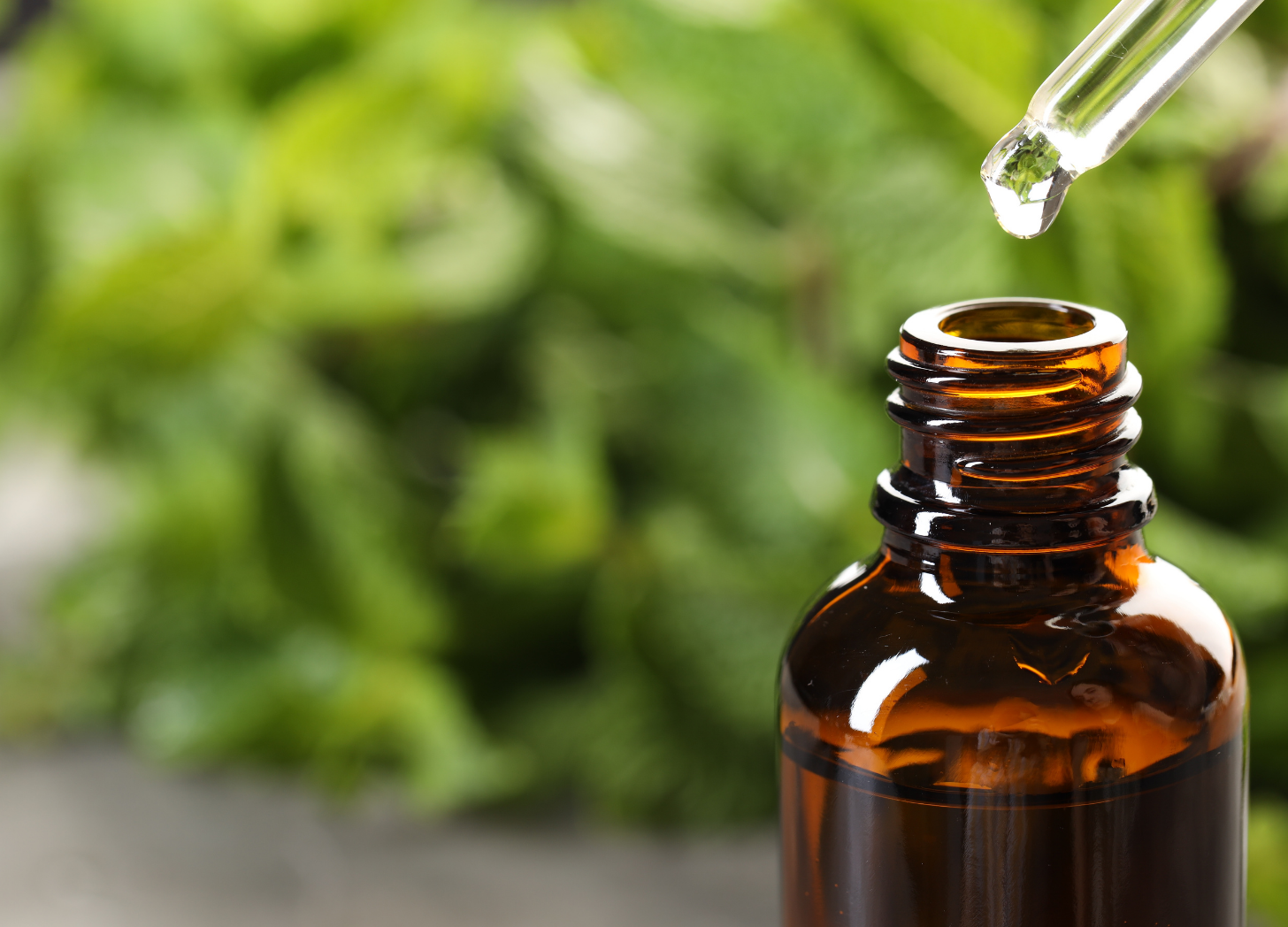







In today’s fast-paced world, finding ways to relax and unwind has become more important than ever. One of the most popular and effective tools for relaxation is essential oils. These natural, aromatic compounds have been used for centuries to promote well-being, reduce stress, and improve mood. But how exactly do essential oils work on a scientific level to provide these benefits?
Let’s dive into the science behind essential oils and how they help us relax, de-stress, and reclaim balance in our lives.
What Are Essential Oils?
Essential oils are concentrated extracts derived from plants, typically extracted from flowers, leaves, bark, stems, and roots. These oils capture the plant’s natural fragrance and therapeutic properties. Some common essential oils known for their relaxing properties include lavender, chamomile, sandalwood, and bergamot.
But how do these oils actually affect our body and mind?
1. Aromatherapy and the Limbic System
When you inhale the scent of an essential oil, it travels through the nasal passages and interacts with the olfactory receptors in your nose. These receptors send signals directly to the brain, particularly the limbic system – the part of the brain responsible for emotions, memories, and behavior.
The limbic system plays a crucial role in how we feel in response to certain stimuli, like scents. This is why certain smells can instantly trigger feelings of calm, happiness, or even nostalgia. For instance, the scent of lavender may promote relaxation and sleep, while citrus oils like lemon can boost mood and energy.
The connection between essential oils and the limbic system helps explain why aromatherapy is such an effective method for managing stress and enhancing overall well-being.
2. The Role of Chemical Compounds in Essential Oils
Each essential oil contains a variety of chemical compounds, which can interact with the body in different ways. For example, linalool in lavender oil has been shown to have calming and sedative effects, making it ideal for stress relief and better sleep. Similarly, the compound limonene found in citrus oils is known to have mood-boosting and uplifting properties.
These chemical compounds can affect the nervous system, either by promoting relaxation or stimulating the production of certain neurotransmitters in the brain, such as serotonin and dopamine, which are linked to feelings of well-being and happiness.
3. Supporting the Autonomic Nervous System
Our autonomic nervous system controls involuntary functions like heart rate, digestion, and respiratory rate. It has two main branches: the sympathetic nervous system (the “fight or flight” response) and the parasympathetic nervous system (the “rest and digest” response).
Essential oils can help regulate the autonomic nervous system, particularly by stimulating the parasympathetic system, which helps the body return to a state of calm after a stressful event. Oils like lavender, frankincense, and chamomile are particularly effective at promoting this calming effect by reducing cortisol (the stress hormone) levels and slowing down the heart rate.
4. Mind-Body Connection and Emotional Healing
Essential oils don’t just help us physically; they can also provide emotional healing. Studies have shown that certain scents can help alleviate symptoms of anxiety, depression, and trauma. For example, studies on aromatherapy have shown that essential oils like lavender and bergamot can help reduce symptoms of anxiety by lowering blood pressure and heart rate, as well as by altering the brain’s neurochemical activity.
By inhaling these scents, you may feel more grounded, centered, and in control. Whether you’re seeking relief from a busy day, emotional distress, or a challenging situation, essential oils can serve as a gentle, natural remedy to help restore balance.
5. Topical Applications: Absorption and Benefits
In addition to inhalation, essential oils can also be applied topically, usually diluted with a carrier oil (such as coconut or jojoba oil) to avoid skin irritation. When applied to the skin, essential oils can be absorbed into the bloodstream through the pores. This allows them to circulate throughout the body and interact with our systems on a deeper level.
For example, applying lavender oil to your temples or the back of your neck may help ease tension, improve blood circulation, and soothe sore muscles. Peppermint oil, on the other hand, can stimulate the skin and provide a cooling, refreshing sensation.
The Healing Power of Nature
The science behind essential oils is rooted in their ability to interact with our bodies on a chemical and emotional level. From calming our nervous system to promoting a sense of well-being through our olfactory senses, essential oils provide an accessible and natural way to support relaxation and stress relief. Whether through inhalation, topical application, or a combination of both, these oils have a profound ability to enhance both our physical and emotional health.
Next time you feel overwhelmed or stressed, consider turning to the power of essential oils as a natural, science-backed way to bring peace and relaxation into your life.
Have you ever tried essential oils for relaxation? Share your favorite oils and experiences with us in the comments!

+ show Comments
- Hide Comments
add a comment